Category: Smart locks

  • Wired Security Systems: Reliable Protection for Your Property

    Wired Security Systems: Reliable Protection for Your Property

    1. Introduction

    What Are Wired Security Systems?

    Hardwired Security systems connect cameras, sensors, and control panels using wires which enable the transmission of information between them. This type of alarm system is the most resilient among other options keeping in mind the protection of the households and safeguarding businesses as well globally.

    In this article we will cover almost everything that wired alarm systems are equipped with and include their advantages, hardware and unit installation, setting up, and security system upkeeping.

    2. Benefits of Wired Security Systems

    2.1 Reliability

    A key benefit of wired networks is the dependability of service. Because wired systems may use an interconnected cable to eliminate obstruction, they are demarked out from wireless intercom systems that are prone to signal and connectivity issues. So, they are a good network system for surveillance of your home and commercial properties.

    2.2 Privacy & Security

    People consider wired connections as less liable to hacking and are therefore much safer than wireless ones. They consider this technology an enhancement of wired security systems because of the low risk of signal interception.

    The transmission of data takes place through wired networks rather than radio frequencies so it is much more difficult for trespassers to render access or counter interfere with the system. Hence, this makes wired systems a perfect fitting for environments requiring strict security controls.

    2.3 Enhanced Performance

    In terms of speed and power, more often than not, wired systems modalities outpace their wireless counterparts. This is because the possibilities of disturbing factors are decreased thanks to direct connections made between the end device and the source whereby for example a switch is used.

    An example of this is, immediately an alarm or sensor signs that a person is moving, the wired system sends out signals without hesitation. And this allows for a quick reaction to be made in any unforeseen situation or emergency.

    3. Key Components of Wired Security Systems
    Wired Security Systems

    3.1 Control Panel

    Any security control panel works as a central processing unit. It takes input from the cameras and sensors, processes the input and issues output in the form of alarms and/or notifications based on the programmed logic. Such control panels can be linked to a mobile phone or a central monitoring service for real-time communication.

    3.2 Wired Sensors

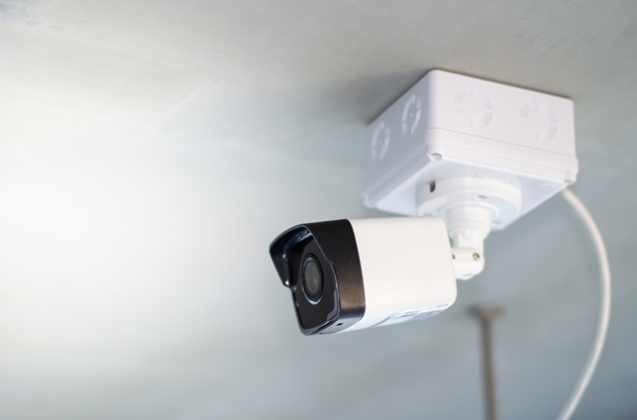
    Wired security sensors or cameras are motion detectors that are used for capturing intruders. Such sensors include motion sensors, door/window contacts, and glass break detectors. They are wired directly to the control panel thus ensuring that communications are not distorted if an intrusion occurs.

    3.3 Cameras and Monitoring Equipment

    Cameras are essential for wired security systems as they serve the purpose of providing real-time clips or other recordings. Cameras with high-definition capabilities today have the propensity to be cabled to the system to target both the indoor and outdoor parts of a facility making it feasible to monitor any suspicious activity.

    3.4 Alarm Systems

    An alarm system assists the property owner and authorities in identifying a breakthrough response. It is easy to describe the performance of an alarm system in a few words. If we refer to the alarm system’s classification, a wired system can be considered among the most powerful as it can produce sound which is louder than any other wireless alarm system.

    4. How Wired Security Systems Work

    4.1 Wiring and Connectivity

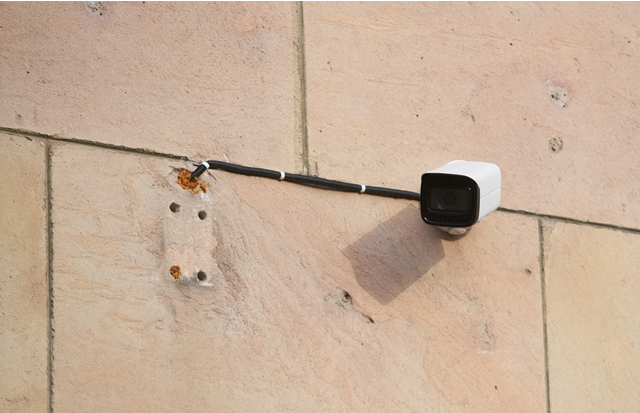
    In a wired security system, sensors, cameras and alarms are interlinked through cables. Depending on the installation standards, these cables are designed to be embedded in walls or ceiling slabs, providing both protection and cosmetic appearance to the wires and devices used in the system.

    The wires remain connected to the central control room and send and receive signals in such a manner that the operator can communicate with the devices connected to the system.

    4.2 Communication between Devices

    In a typical scenario such as an intrusion, if some movement is detected or a door is opened, all the activity is transmitted through wiring to the central control where the alarm unit is located. All the information is directed for resolution, thanks to the control panel, which relays the information needed to place an alarm or send a notification to the property owner.

    5. Installing a Wired Security System

    5.1 Planning and Design

    Ineffective security planning such as installing a security system does a fever calculate placement While placing sensors, cameras, and alarms to ensure that as a whole they offer optimal coverage of the establishment, eager to eliminate blind spots. If in doubt either call a friend or call an installer to focus on the best areas to minimize blind spots.

    5.2 Tools and Equipment Needed

    To fix the system, you will need some accessories such as drills, screwdrivers, wire cutters and cable clips. Quality wiring and connectors also are a must to ensure all parts are well-joined.

    5.3 Step-by-Step Installation Process

    1. Sketch a diagram for the arrangement of each part.
    2. Veer the cables through the ceilings or the walls.
    3. Locate the sensors, cameras, and control panel at their respective positions.
    4. Link everything together by the control panel.
    5. Initiate a test of the system to make sure all devices are working properly.

    6. Maintenance of Wired Security Systems

    6.1 Regular Inspections

    For keeping your system in good order, timely regular inspections are a must. This will test the harshest conditions weathering if all the cables are strong and sensors and alarms are working fine.

    6.2 Replacing Components

    After several years of service, certain components may be consumed hence requiring changing. Regular service can help to prevent them by allowing us to replace defective parts which are most likely to lead to dangers in service.

    6.3 Troubleshooting Common Issues

    Difficulties with connectors are very familiar, the sensors can fail to detect or even the system can just stop working due to issues. You should be trained in how to fix these issues or utilize the services of a repairman.

    7. Comparing Wired vs. Wireless Security Systems

    7.1 Pros and Cons of Wired Systems

    • Pros:  Fast, secure, and reliable with minimal chances of hacking.
    • Cons: Heavy, Cumbersome Installation with low flexibility owing to wires.

    7.2 Pros and Cons of Wireless Systems

    • Pros: Simplified installation, relocation is possible, less invasive.
    • Cons: Limited to movement and signal degradation, may not be as secure.

    7.3 Which System is Better for You?

    There are no right or wrongs, it depends on the intention of the user. If security and reliability are your primary concerns, wired systems would be convenient. And for you to get more flexibility and easy installation, a wireless system would be more appropriate.

    8. Case Studies
    Wired Security Systems

    8.1 Residential Installations

    In residential areas, wired security systems serve as a source of reassurance to the homeowner, as they are confident that their properties are fully secured from break-ins and alarm activations during emergencies.

    8.2 Commercial Installations

    For shops or workplaces, wired security systems guarantee utmost security against theft, vandalism and workplace accidents. Many commercial setups join alarms, cameras and motion sensors to watch over every section of the premises.

    9. Expert Insights

    9.1 Industry Expert Opinions

    Security professionals often recommend wired systems for environments where stability and security are paramount. Many experts also predict that wired systems will remain essential, even as wireless technology continues to advance.

    9.2 Innovations in Wired Security

    Recent advancements in wiring technology have made wired systems even more efficient, with faster communication and longer-lasting components.

    10. Future of Wired Security Systems

    10.1 Integration with Smart Home Technology

    In the future, wired security systems will likely be able to communicate with other smart devices at home. Picture a scenario where the wired system links up with the smart thermostat, lighting devices and even the voice command devices that are available.

    10.2 Advances in Technology

    There will always be improvements in wired security systems due to the integration of technologies such as AI Cameras and Remote Cameras.

    11. Practical Applications

    11.1 Home Security

    A wired security system is a reliable method that can be used to protect one’s house as the system will monitor the house through the day and night and send alerts when onset occurs.

    11.2 Business Security

    Businesses using wired systems can deploy the said systems to look over doors and windows as well as monitor employees and various materials.

    11.3 Public and Industrial Security

    Wired systems can be used in public places to keep the perimeter in check, for the safety of employees in workplaces, and for taking care of valuables.

    12. Conclusion

    Their wired security systems have been around for quite a while and have proved to be effective, fast and reliable means of protecting different areas. No matter what the purpose of the wired system is, a residential area, a business, or an industrial area, a wired system guarantees peace of mind and protection from undesired situations.

    FAQ’s

    [saswp_tiny_multiple_faq headline-0=”h3″ question-0=”1. What are the main advantages of using wired security systems?” answer-0=”Wired security systems are highly reliable, secure, and have superior performance due to their uninterrupted connectivity. They are less prone to hacking and signal interference, making them ideal for environments requiring high-level security.” image-0=”” headline-1=”h3″ question-1=”2. Are wired security systems difficult to install?” answer-1=”Yes, wired security systems can be more challenging to install compared to wireless ones. The installation often requires running cables through walls or ceilings, which can be invasive and time-consuming. However, the effort is rewarded with long-term reliability.” image-1=”” headline-2=”h3″ question-2=”3. Can wired security systems integrate with smart home technology?” answer-2=”Yes, modern wired security systems can integrate with smart home technologies. They can be connected to devices like smart thermostats, lighting systems, and voice-controlled assistants for a seamless smart home experience.” image-2=”” headline-3=”h3″ question-3=”4. How often should wired security systems be maintained?” answer-3=”Regular inspections are recommended every six months to a year. Maintenance involves checking for cable wear, testing sensors and alarms, and replacing any faulty components to ensure the system functions optimally.” image-3=”” headline-4=”h3″ question-4=”5. How do wired systems compare to wireless systems?” answer-4=”Wired systems are more secure, reliable, and faster in transmitting signals. However, they are less flexible and more invasive to install. Wireless systems, on the other hand, are easier to install and relocate but can face signal degradation and higher susceptibility to hacking. The choice depends on your priorities, such as security versus ease of use.” image-4=”” count=”5″ html=”true”]
  • Best No-Monthly-Fee Home Security Systems

    Best No-Monthly-Fee Home Security Systems

    1. Introduction

    With replaceable batteries, hardwired systems, and installation fees, the market nowadays is driven to provide cost-effective solutions that come with no subscriptions, implementation fees, or hidden monthly fees. PCP is a perfect example of how no-monthly-fee business models can cover opportunities in both the high and low-income segments.

    Homeowners today are much more cognizant of the different systems available in the market that allow them to secure their assets without incurring a monthly charge while also saving them money. For those interested in exploration, many firms have removed the need for monthly charges allowing the user to freely tour their home by simply installing cameras or even alarms.

    2. What Are No-Monthly-Fee Home Security Systems?

    Definition and Types

    Also known as subscription-based systems, these are security devices that allow for self-monitoring and are equipped with cameras, sensors and even motion devices. The absence of these systems allows users to transfer the complex task of monitoring to security professionals which costs money, hence the absence of that money and features describes the no monthly fee home security monitoring devices.

    How Do They Differ From Traditional Systems?

    In most cases, traditional home security systems come with wire and professional services that come with a subscription model and fee designed to create a consistent profit. On the other end, it is devoid of subscriptions and rather focuses on enhancing the essential features as well as the customer’s area of concern. You may still pay for equipment upfront, but the savings over time can be substantial.

    3. Top Benefits of No-Monthly-Fee Security Systems

    No-Monthly-Fee Security Systems

    Cost Savings

    With no payment system in play and equipment like a security camera, it is always easier to monitor expenses whilst using a subscription a traditional approach and system does charge some fee but savings are clear, anywhere from hundreds or thousands of dollars over time. A traditional model can also be beneficial on certain occasions where closer to 20 to 60 get charged as a payment fee monthly.

    Flexibility and Control

    If there has been a plan of taking a vacation or there is just monitoring that needs to be done whilst being home or at work it is possible to do so without any added restrictions; hence having the option for a change or an upgrade is necessary rather than being forcibly tied to long agreements or contracts.

    Easy Installation and Maintenance

    There is a misconception in the market that new systems whether it be newer windows commercial or older ones need professional installation and have a monthly fee. This is not the case as most of these systems are very easy to set up for anyone willing to do so and have little maintenance needs which cuts back on time and prevents any frustration. For quite some clients it is bothersome as it requires expenses to be incurred for a professional to set this up.

    4. Key Features to Look For in a No-Monthly-Fee System

    Motion Detectors

    Take a look at systems that have good motion detection as it notifies you of any unusual activities. These assist in stopping theft by providing you with immediate notifications if someone enters the house.

    Cameras and Video Surveillance

    For the purpose of securing your house, cameras are quite beneficial. Some solutions come with HD camera systems that include night vision, letting you keep an eye on your home no matter the hour.

    Smart Home Integration

    Numerous devices and appliances like smart bulbs, locks or thermostats can now be built into no-monthly-fee systems because they support smart integration.

    User-Friendly Interfaces

    A portable and non-technical interface should be included to control the security system effectively and hassle-free. Make sure the system includes an app or a dashboard to allow you to watch the live feed, send alerts, and change configuration settings from mobile phones and computers.

    5. Best No-Monthly-Fee Home Security Systems for 2025

    Detailed Review of Top Systems

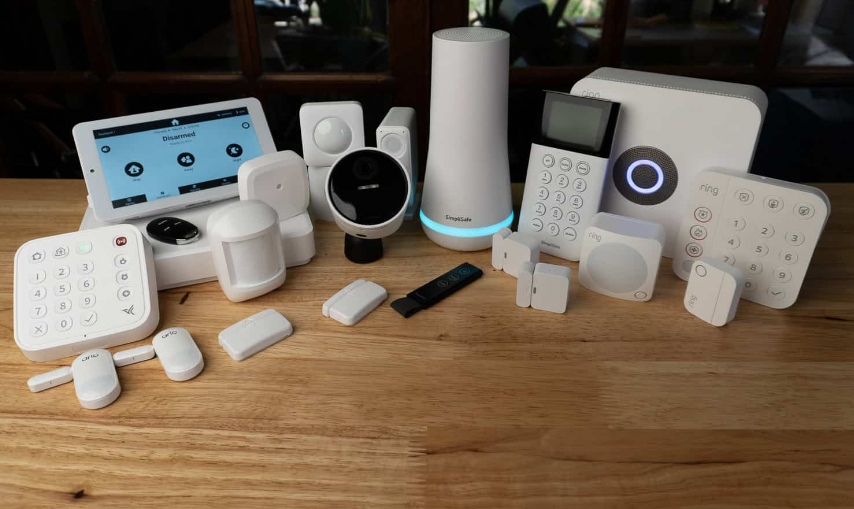
    In terms of security solutions without a monthly charge, cohesive brands have come to the fore. Reasonably priced and incredibly straightforward to implement, these systems appeal to those who do not wish to pay maintenance expenses.

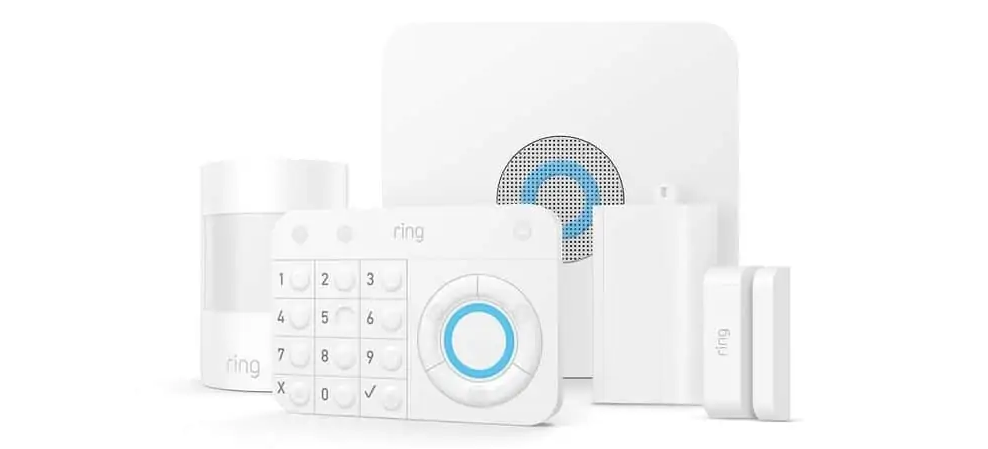
    1. Ring Alarm Security Kit (2025)
      • Features: Also allows the integration of auxiliary cameras, and mobile applications, the additional cost of third-party monitoring services is optional.
      • Price: From $199.99 and up.
      • Why it’s great: If you regularly purchase Ring devices, you don’t have to pay for the devices. If they have a quiet life cycle, the ring alarm devices don’t require constant monitoring interaction.
    2. SimpliSafe No Monthly Fee System
      • Features: Pay-as-you-go expansion options, cross-platform support for HomeKit, Google Home, and Alexa.
      • Price: Starting at $229.99.
      • Why it’s great: Offers a smart way of self-monitoring and easy-to-install and set-up devices without compromising on security features.
    3. Abode iota Security Kit
      • Features: Surveillance cameras optional feature, mobile application, not necessary to commit to contract babysitting, and voice assistant compatibility.
      • Price: From 279.99$ upwards.
      • Why it’s great: No need to fork out subscription fees, for an additional payment, Abode will ensure peace of mind while you go about doing your daily tasks, skimming through their optimal bundles.

    Pricing Breakdown and Comparison

    System Price (Starting) Monitoring Fee Features
    Ring Alarm $199.99 No fee for self-monitoring Cameras, motion sensors, door/window sensors
    SimpliSafe $229.99 Optional $14.99/month Voice assistant integration, easy DIY setup
    Abode $279.99 No fee for self-monitoring Integration with smart home devices, app control

    6. How to Choose the Right No-Monthly-Fee System for Your Home

    How to Choose the Right No-Monthly-Fee System for Your Home

    Considerations for Different Home Sizes

    The cost of installing a no-month system ranges depending on the type of house one is living. Bigger houses, which have more than three-bedroom family structures will need an additional camera or sensor to cover all entry points. Whereas a small house can reasonably settle for a basic setup.

    Customization Options

    Opt for systems which enable customization of your setup. If you wish to put some more cameras and smart sensors in future then it is important to have an option to them in your system.

    7. Installation and Setup Guide

    Step-by-Step Process

    Most people will find setting up a no-monthly-fee system easy, quick and simple. Normally, one would start with the central hub or base station followed by sensors including cameras being placed at appropriate points throughout the house. The ready-made system will guide you through the entire set-up with either an app or a manual.

    Professional vs DIY Installation

    Although a DIY installation is of minimal cost compared to the former option, there might be a chance that certain individuals want to get the system installed professionally. However, most of the systems that don’t require any monthly fees are built in such a manner, that they do not need any help, and hence can be set up easily by the owners themselves.

    8. Monitoring Options Without Monthly Fees

    Self-Monitoring Methods

    Rather than paying anyone for surveillance, you can opt to set up the system in such a way that automatic alerts are sent to your mobile or email. This is the most effective self-monitoring method and is the default for most no-monthly fee systems. This option is both adaptable and gives total control over your alerts.

    Third-Party Monitoring Services with No Monthly Fee

    Certain systems include a provision to use third-party providers to monitor the activities supposedly at a low payment or one-time fee hence avoiding the hassle of remembering to make the monthly payment.

    9. Common Misconceptions About No-Monthly-Fee Security Systems

    Security Level and Reliability

    Many people tend to believe that anything that does not require a monthly fee is not secure. The reality is that this is not the case since it is also a common fact that a lot of this software comes with good-quality cameras, motion detectors and alerts. Such technology is just as effective as traditional systems. However, more often than not, you will need to do more monitoring yourself.

    Hidden Costs

    Bearing in mind that individuals who prefer to save costs by using a one-time fee revolving monthly no-fee system might still have to incur certain expenditures like sensors, cameras, etc.

    10. Future of No-Monthly-Fee Home Security Systems

    Future of No-Monthly-Fee Home Security Systems

    Trends in Security Tech for 2025 and Beyond

    With the ever-changing technology, there has also been an increase in advanced features like cameras with AI, motion sensors with face recognition, and advanced capabilities with smart home technology.

    Potential Advancements

    There can be other improvements such as integration with smart home systems, a wider range of inexpensive smart security devices, and even monitoring systems with more advanced AI for better identification.

    11. Expert Insights on Home Security

    “Home security is moving towards more personalized, flexible options,” says John Matthews, a security consultant. “No-monthly-fee systems provide homeowners with a way to take control of their security while avoiding long-term commitments.”

    12. Conclusion

    Homeowners wishing to save money and are okay with sacrificing some level of security should strongly consider no-monthly-fee home security systems. Considering their versatility, easy installation and dependable security technologies, these systems are expected to gain even wider market acceptance in 2025. For persons who are ready to enhance their home security, adopting a no-monthly fee system seems to be an ideal option.

    FAQ’s

    [saswp_tiny_multiple_faq headline-0=”h3″ question-0=”1. Are no-monthly-fee home security systems reliable for self-monitoring?” answer-0=”Yes, these systems are designed with high-quality cameras, motion sensors, and mobile apps that allow homeowners to monitor their properties effectively. While they don’t include professional monitoring, they provide alerts and notifications to ensure prompt action when needed. ” image-0=”” headline-1=”h3″ question-1=”2. What are the hidden costs associated with no-monthly-fee systems?” answer-1=”Although these systems eliminate subscription fees, you may still incur costs for equipment like additional cameras, sensors, or cloud storage for video footage. Always review the fine print to avoid unexpected expenses. ” image-1=”” headline-2=”h3″ question-2=”3. Do these systems support smart home integration?” answer-2=”Many no-monthly-fee systems, such as SimpliSafe and Abode, support integration with smart home devices like Alexa, Google Home, or smart locks, enhancing your home’s overall automation and security. ” image-2=”” headline-3=”h3″ question-3=”4. Can I install a no-monthly-fee system on my own?” answer-3=”Yes, most no-monthly-fee systems are designed for easy DIY installation. They include detailed instructions and often an accompanying app to guide users step-by-step. Professional installation is usually optional. ” image-3=”” headline-4=”h3″ question-4=”5. What is the difference between self-monitoring and third-party monitoring in these systems?” answer-4=”Self-monitoring allows homeowners to receive alerts directly and manage security via mobile apps or dashboards. Third-party monitoring, available for some systems at a one-time or reduced fee, involves outsourcing the monitoring to security professionals for added assurance without recurring costs.” image-4=”” count=”5″ html=”true”]